


How Do Qantas International-to-Domestic Transfers Work at Sydney Airport?
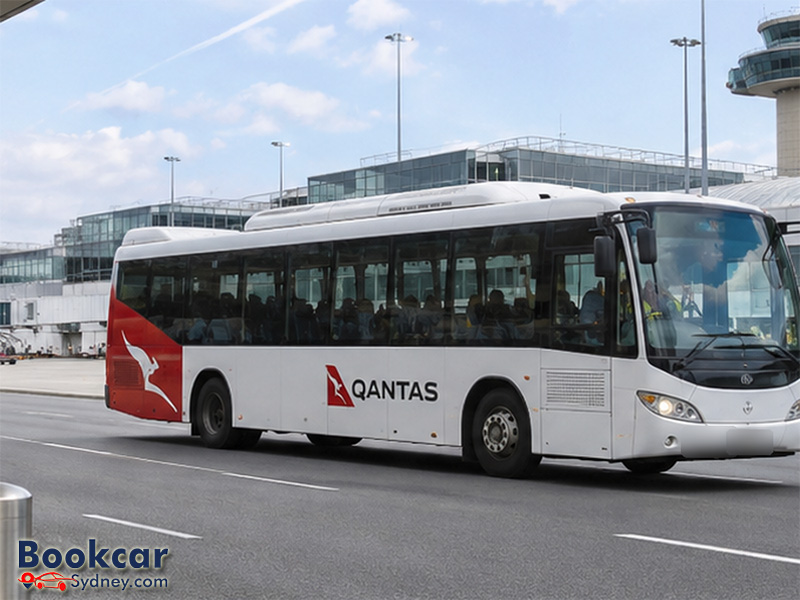
The Qantas international-to-domestic transfer: step by step
The transfer is not an airside connection in which you simply walk to another gate. You must complete the Australian arrivals process at T1 before continuing to a domestic flight. The dedicated Qantas transfer then takes eligible passengers to T3, which serves Qantas domestic departures.
1. Clear immigration at Terminal 1
After landing, follow the International Arrivals and passport control signs. Complete the required Australian entry procedures before heading to baggage reclaim. Some travellers may be able to use SmartGate, while others will be directed to an immigration officer. Follow the instructions given at the airport.
Because you will be entering Australia to catch a domestic flight, make sure you have the appropriate permission to enter the country. An international transit arrangement that lets you remain in an airside transit area does not remove this requirement.
2. Collect your bags and clear customs
Collect all checked luggage from the T1 baggage carousel, even if your flights are on one ticket or your original bag tag shows your final domestic destination. Keep the original baggage tag attached: Qantas asks passengers to retain it for the domestic bag-drop process.
Take your bags through customs and biosecurity clearance, following any declaration or inspection instructions. You cannot bypass this stage by assuming your suitcase will be moved directly from the international aircraft to the domestic one.
3. Walk to the Qantas domestic transfer area
After leaving the customs area, turn right and follow the signs for Qantas Domestic Transfer. Qantas describes the walk to its T3 transfer area, situated outside the international terminal, as approximately four minutes. This is a transfer facility at T1, not a request to walk all the way to Terminal 3.
If you are unsure which exit to use, consult the official Qantas T1-to-T3 transfer map or ask airport staff before heading to the bus.
4. Recheck your baggage and complete security screening
At the Qantas transfer area, present your onward flight details and recheck any checked bags with Qantas staff. The bags may have been tagged through when you first checked in, but they still need to be collected after international arrival and handed back for the domestic flight.
Proceed through the security screening point into the transfer bus waiting area. Keep your boarding pass and travel documents handy. If you were not issued a boarding pass for the domestic sector, ask Qantas staff where to obtain it rather than assuming it will appear automatically.
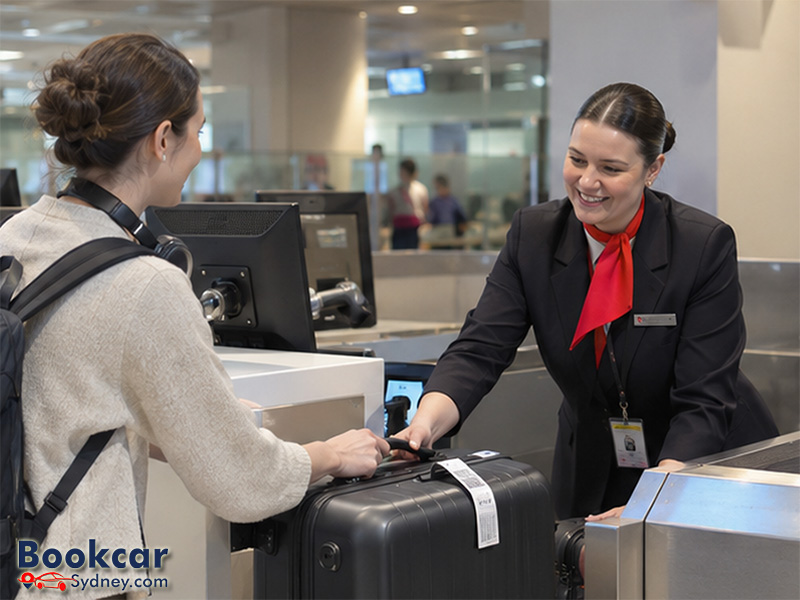
5. Board the Qantas transfer bus to T3
Eligible passengers then board the dedicated Qantas Terminal Transfer bus. Qantas currently lists departures approximately every 10 minutes, daily from 6:00 am to 9:30 pm, with a journey of about 15 minutes. These are scheduled service details, not a guarantee that your entire connection will take 15 minutes.
At T3, follow the domestic departures signs to your assigned gate and check the flight information screens for any changes. The bus ride is only one part of the overall connection; border clearance, baggage collection, the walk to the transfer facility and security must happen first.
Who can use Qantas Terminal Transfers?
The dedicated service is intended for passengers connecting between an international arrival at T1 and a Qantas-operated domestic flight departing T3. Qantas lists eligible inbound international services as Qantas-operated flights and certain codeshare, partner or other airline services connecting to a Qantas-operated domestic flight. Availability remains subject to operational and capacity requirements.
The operating airline of the onward domestic flight matters. A flight number, alliance membership or booking arrangement alone should not be taken as proof that every connection qualifies. Confirm your transfer arrangements with Qantas or the operating airline if there is any doubt, especially when the flights were booked separately.
If your onward flight departs from T2 with another airline, the dedicated Qantas T1–T3 transfer is not the appropriate route. Check the terminal and use the transfer option advised by your airline.
Alternatives when the Qantas transfer bus is not suitable
Sydney Airport operates a separate, complimentary Terminal Transfer Bus (T-Bus) between T1 and the domestic terminals, T2 and T3. The airport lists it as running approximately every 15 minutes from 5:30 am to 10:30 pm, with a journey of about 10 minutes. At T1, the stop is on the arrivals level outside Arrival Hall B, near the transfer facilities.
Do not confuse the two services. The Qantas bus is part of an airline-managed connection for eligible passengers; the airport T-Bus is a general terminal shuttle. Travellers using the T-Bus must arrange onward check-in, baggage drop and security screening as required by their airline.
A train also runs between the international and domestic airport stations, but it is a paid option. Taxis and rideshare services are further alternatives, particularly if you are travelling outside the shuttle operating hours. T1 and T2/T3 are not within a practical walking route for passengers. Check Sydney Airport’s terminal transfer information for current transport details.
How long should you allow for the connection?
Allow time for the whole process, not just the bus journey. International arrivals can involve queues at passport control, baggage reclaim and customs. You then need time to reach the transfer facility, recheck your bag, clear security, ride to T3 and reach the gate before boarding closes.
There is no single connection time that suits every itinerary. The time needed depends on your arriving flight, booking, baggage, eligibility for the Qantas service and how busy border processing is. If you are booking flights separately, allow more flexibility because the onward airline may treat a missed departure differently from a protected connection sold on one booking.
If your international arrival is delayed
If both Qantas flights are on the same booking and disruption causes a missed connection, Qantas says it will recommend an alternative flight option and notify affected travellers through channels such as the Qantas App, email or SMS. Speak to Qantas staff if your connection is at risk or you need help at the airport.
For a Qantas domestic flight booked separately, contact Qantas to discuss your options. If the onward flight is booked through another airline or third party, contact that provider. Rebooking outcomes depend on the circumstances and ticket conditions; an alternative departure should not be assumed to be automatic.
What to check before arriving in Sydney
- Confirm that your domestic flight is operated by Qantas and departs from T3.
- Check whether you are eligible for the Qantas Terminal Transfer, rather than relying only on a flight number or alliance logo.
- Make sure your passport and any required Australian visa or entry permission are valid. The Australian Government’s airport transit guidance explains why changing terminals and clearing immigration may require a visa.
- Keep your baggage tags and your onward booking or boarding pass accessible for bag drop.
- Check the latest transfer hours, departure gate and flight status. If you need assistance with mobility or have special baggage, contact the airline in advance.
For the latest airline-managed instructions, use the Qantas Sydney flight connections guide alongside your itinerary. The process is straightforward once you know the order: enter Australia, reclaim baggage, complete customs, recheck at the Qantas transfer area and travel to T3.
Latest Insights
- Where to Pick Up Passengers at Sydney International Airport
- Where to Pick Up Passengers at Sydney Airport
- How Do Qantas Domestic-to-International Transfers Work at Sydney Airport?
- How to Get Between Sydney Airport Terminals 2 and 3
- Where to Catch the Shuttle Between Sydney Airport Terminals
- How to Transfer from Sydney International to the Domestic Terminals
