


What to Know Before Arriving at Sydney Airport
- Know the essentials before you land
- Confirm which Sydney Airport terminal you will arrive at
- Prepare your documents and baggage for international arrival
- Understand what happens after your flight lands
- Choose your onward transport before arriving
- Agree on the correct pickup point and meeting time
- Allow extra planning time if you have a connecting flight
- Your final pre-arrival checklist
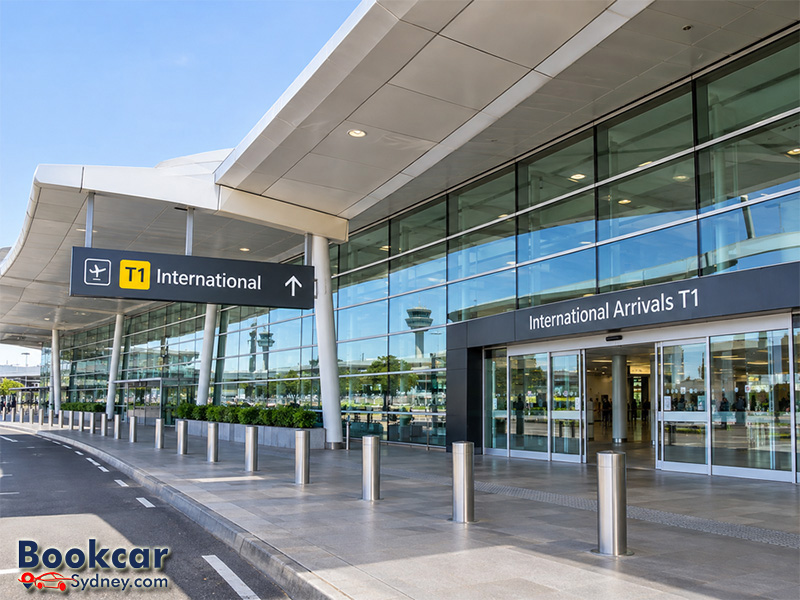
Know the essentials before you land
The most useful preparation is practical: identify the correct terminal, have the required travel documents ready, know what you must declare, and decide where you will go after collecting your bags. If someone is meeting you, agree on a specific pickup arrangement rather than assuming they can stop outside any terminal door.
Sydney Airport, also known as Sydney Kingsford Smith Airport, serves both international and domestic flights. The airport is close to central Sydney, but its terminals, arrival procedures and ground transport zones are not interchangeable.
Confirm which Sydney Airport terminal you will arrive at
Sydney Airport has three passenger terminals. The terminal shown on your airline booking or flight information should be your final reference, particularly if an airline changes a flight assignment.
- T1 International: the international terminal for flights arriving from overseas.
- T2 Domestic: one of the two terminals handling flights within Australia.
- T3 Domestic: the other domestic terminal, used by Qantas domestic services and some other operators.
The international and domestic precincts are separate. T2 and T3 are in the same domestic precinct, but T1 is not a short pedestrian walk away. Knowing your terminal in advance helps you choose the right railway station, meeting point or pickup zone.
Check the flight number as well as the airline name. If you are being collected, send the person meeting you both details and confirm any change in your estimated landing time.
Prepare your documents and baggage for international arrival
Check your passport, visa and arrival declaration
If you are flying to Sydney from outside Australia, make sure your passport or other accepted travel document is valid and that you have the appropriate permission to enter. Non-Australian citizens generally need a valid visa. Your particular entry conditions depend on your circumstances, so verify them before departure rather than relying on airport staff to resolve a problem after landing.
Travelers entering Australia generally complete an Incoming Passenger Card. Some eligible passengers may be invited to use an approved digital arrival declaration instead. Follow the process supplied for your flight, and answer the questions accurately. You can review the relevant steps on the Australian Border Force website.
Know which items must be declared
Australia has strict biosecurity requirements. Food, plant material, animal products, wooden items and footwear or equipment carrying soil can require declaration or inspection. Pack with these rules in mind, keep track of what is in your bags, and declare anything you are unsure about rather than guessing.
An honest declaration does not mean an item will automatically be allowed in. Officers may inspect it and decide whether it can enter, needs treatment or must be disposed of. The safest approach is to check current import conditions before packing and to declare or dispose of risk items as instructed.
These international border procedures do not apply to an ordinary domestic flight arriving from elsewhere in Australia.

Understand what happens after your flight lands
International arrivals at T1
For most international passengers, the journey from the aircraft to the public arrivals area follows a familiar sequence:
- Follow the signs to passport control and present the documents or use an eligible automated process when directed.
- Collect checked baggage from the assigned carousel.
- Complete customs and biosecurity screening, including any declaration or baggage inspection required.
- Exit into the public arrivals area and follow the signs to your chosen transport or meeting point.
Allow for the time between touchdown and leaving the terminal. Passport checks, baggage delivery and inspections can all affect when you are actually ready to meet a driver. A scheduled flight arrival time is not a reliable promise of when you will reach the curb.
Domestic arrivals at T2 or T3
For an ordinary domestic arrival, follow the signs to baggage claim if you checked a bag, then continue to the public arrivals area. You will not go through international passport control simply because you are landing at Sydney Airport. Locate your transport or meeting point using the signs for your specific domestic terminal.
Choose your onward transport before arriving
There are several ways to travel from Sydney Airport into the city and surrounding suburbs. Decide based on your destination, luggage, group size, comfort needs and arrival time—not just the advertised journey time.
Train
Airport Link trains connect both airport precincts with central Sydney and the wider rail network. The International station is accessed from T1, while the Domestic station serves T2 and T3. Opal and eligible contactless payment cards can be used. Check the current total fare, including any airport station charges, before choosing this option.
A train can be convenient if your destination is near a station and you can manage your luggage. Allow extra time for walking to the platform and making any onward connections.
Taxi and rideshare
Taxis are available from signed ranks at the terminals. Rideshare services use designated pickup areas, which may require a walk from arrivals. Follow the airport signs and the instructions in your booking app rather than asking a driver to stop wherever you exit.
Road travel can be more straightforward for families, passengers with several bags or travelers heading somewhere that is not near a train station. Traffic, vehicle type and pickup arrangements can affect the overall journey.
Prebooked car transfer and other options
A prearranged car transfer can give you a specified meeting procedure and a vehicle selected for your group and luggage. Before booking, confirm the terminal, flight number, pickup instructions, waiting-time policy and any child-seat or accessibility requirements. Do not assume that a private transfer, taxi and rideshare service all meet passengers in the same place.
Rental cars, public buses and commercial shuttle services are also available. Check their current operating details and whether the service goes directly to your destination.
Agree on the correct pickup point and meeting time
Sydney Airport has different arrangements for passengers being collected by friends, rideshare drivers and prebooked transport providers. T1 International has a public pickup area and designated rideshare facilities; T2/T3 Domestic has express and priority pickup areas. Access arrangements and charges can differ by zone.
If someone is collecting you, use the current Sydney Airport passenger pickup maps to choose a legal, clearly identified meeting point. If you have booked a transfer, follow the operator’s instructions, which may identify an indoor meeting location or a particular vehicle pickup area.
Share your flight number, terminal and a working contact method. Once you have collected your bags and cleared any required checks, message the person meeting you if your plans or timing have changed. This is more useful than estimating your pickup solely from the published landing time.
Allow extra planning time if you have a connecting flight
A connection at Sydney Airport is not always a simple walk to the next gate. If your itinerary changes between T1 International and T2/T3 Domestic, you need transport between the precincts. Sydney Airport operates a complimentary terminal transfer bus during specified hours, and the airport train, taxi and rideshare are other options. You cannot walk between T1 and the domestic terminals.
If you have a separate onward ticket, checked baggage or an international-to-domestic connection, ask your airline what you must do about baggage, check-in, border clearance and security. Build in enough time for each required step and for terminal transport; do not rely on the flight landing exactly on schedule.
Your final pre-arrival checklist
- Save your flight number, airline, arrival terminal and accommodation address.
- For international travel, verify the correct entry documents and declaration requirements.
- Review your bags for food, plant or animal products, and other items that may need declaring.
- Compare the train, taxi, rideshare or prebooked car against your actual destination and luggage.
- Confirm the designated pickup zone or the exact meeting instructions for your driver.
- Keep a working way to communicate after landing and allow for delays at baggage claim or border checks.
With those essentials arranged, you can navigate the arrival terminal, complete the steps that apply to your flight and continue into Sydney without having to make every decision at the airport.
Latest Insights
- Sydney Airport vs Western Sydney Airport: What's the Difference?
- Which Airports Are Near Sydney, Australia?
- What Is Sydney's Main Airport?
- Is There a Free Bus from Sydney Domestic to International?
- Can You Walk from Domestic to International at Sydney Airport?
- How Far Apart Are Sydney Airport’s International and Domestic Terminals?
