


Sydney Airport Terminal 1: International Flights and Facilities
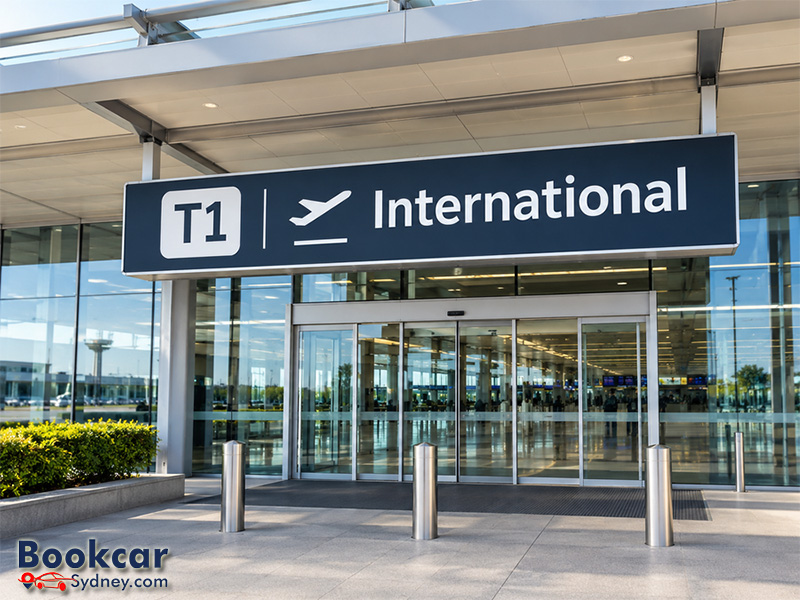
What is Terminal 1 at Sydney Airport?
Sydney Kingsford Smith Airport has three passenger terminals. T1 handles international flights, while T2 and T3 serve domestic flights. If your itinerary says “Sydney International,” “International Terminal” or “T1,” it refers to the same international terminal at SYD.
The international and domestic terminals are in separate precincts. They are connected by transport services, but they are not within a single walkable terminal building. Always check the terminal shown on your airline booking or boarding pass rather than assuming that every flight from Sydney uses T1.
Arriving at T1 on an international flight
After landing, follow the signs for international arrivals. Most passengers proceed through passport control, collect checked bags, complete any required customs and biosecurity processes, and then enter the public Arrivals hall. The exact route and processing time depend on your circumstances.
Passport control and baggage collection
Have your passport and any required entry documentation available. Eligible passengers may be directed to automated passport-processing facilities, while others use staffed processing. Australian entry requirements depend on citizenship and visa status, so check the applicable requirements before flying.
After passport processing, follow the baggage signs and check the display screens for your flight’s assigned carousel. If your checked baggage does not arrive, contact your airline or its ground-handling representative; the airport’s general lost-property service is not the primary contact for delayed airline baggage.
Customs, biosecurity and the public Arrivals hall
Most people entering Australia are required to complete an Incoming Passenger Card. Answer declaration questions accurately, including those concerning goods subject to customs or biosecurity controls. Food, plant material and animal products can require declaration or inspection; if you are unsure about an item, declare it and follow an officer’s instructions.
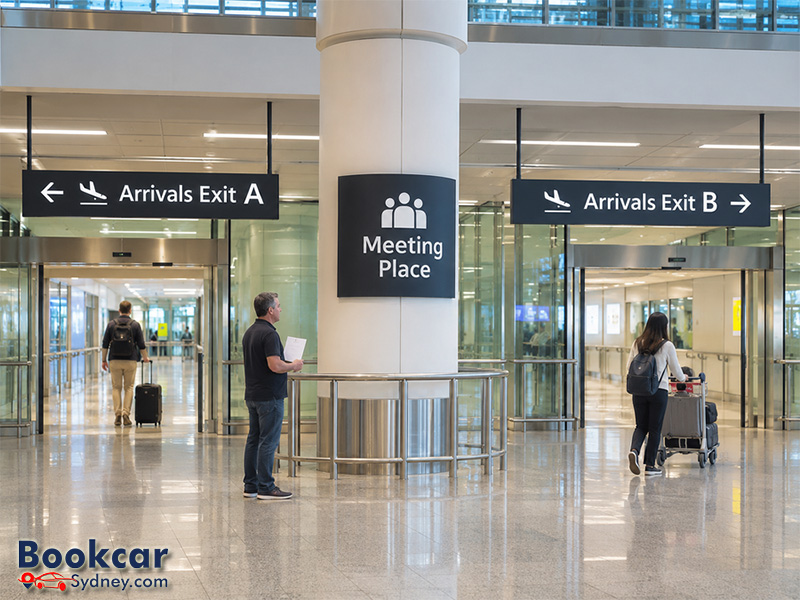
Once you have completed the required checks, you enter the public Arrivals area. T1 has two main passenger exits, A and B, and a designated meeting point between them. If someone is meeting you, agree on the exit or meeting point rather than relying only on the scheduled landing time.
Departing from T1 on an international flight
For an international departure, plan time for airline check-in, baggage drop, security screening, outbound passport procedures and the walk to your gate. Follow the arrival-time advice provided by your airline: check-in deadlines, screening queues and boarding times are not identical for every flight.
Check-in and security screening
Go to the Departures area and check the flight information displays or your airline’s instructions for the correct check-in counters. Prepare your passport, booking details and any documents required for your destination. If you have checked baggage, use the airline’s designated baggage-drop process.
After check-in, follow signs for security screening and departure passport control. Pack liquids, aerosols, gels, powders and other restricted items in accordance with the rules applying to your flight. Security requirements may also apply to a domestic flight that departs from an international terminal.
Finding your gate after screening
Beyond screening, T1 has departure gates, retail outlets, dining options and lounges. Check the flight information screens for your gate and boarding updates, particularly if you have a long wait. Sydney Airport operates T1 as a quiet terminal, so routine announcements are generally concentrated around gate areas rather than broadcast throughout the building.
Facilities and passenger services at T1
T1 provides practical services for both short visits and longer waits. What is available to you depends partly on whether you are in a public area before security or in the passenger-only area after screening.
Wi-Fi, dining, shopping and lounges
Free Wi-Fi is available throughout T1. Look for the airport’s “Sydney Airport Free WiFi” network and follow the sign-in instructions. As with other public networks, avoid transmitting sensitive information without an appropriately secured connection.
Food outlets, shops and duty-free retail are available in the terminal, although individual businesses have their own operating hours. There are airline and paid-access lounges in the international departures area, but eligibility, access fees and opening hours depend on the lounge. Check the details before making plans around a particular lounge.
Everyday comfort and information
Passengers can find toilets, drinking-water fountains, information desks and airport ambassadors in T1. Shower facilities are available in selected locations, including before-security facilities and some passenger-only areas. Bring your own shower supplies or check whether they can be purchased nearby.
Arriving passengers can use luggage trolleys in the baggage hall. Trolleys for departing passengers outside the terminal may involve a fee. Information displays throughout T1 provide current gate, flight and baggage-carousel details.
Accessibility and traveling with children
Accessible toilets and adult changing facilities are provided at designated locations within T1. The airport also offers accessible drinking-water fountains and other accessibility features. If you need wheelchair assistance or help boarding, arrange airline assistance in advance and confirm where to meet the relevant staff.
Families can use the terminal’s bathroom and changing facilities, while travelers with assistance animals should check the applicable relief-area access arrangements. For a quieter experience, use the terminal map and information points to locate suitable facilities before or after screening.
Meeting arrivals and getting to or from T1
The T1 meeting point is on the Arrivals level between passenger exits A and B. A friend or family member collecting you can wait in the public area, while drivers need to use an appropriate pickup or parking zone rather than stopping wherever convenient.
There are several ways to travel from the international terminal into Sydney. Follow the terminal signs to the correct transport service, since taxi, rideshare and private-car pickup areas are not necessarily in the same location.
|
Option |
Where to go |
What to know |
|
Train |
Airport Link station accessible from the Arrivals level, past Arrivals Hall A |
Useful for travel to the city and rail network; airport station access charges may apply. |
|
Taxi |
Signed taxi rank outside the terminal on the Arrivals level |
Use the official rank and allow for traffic and metered fares. |
|
Rideshare |
Signed green rideshare/priority pickup area |
Confirm the pickup zone and vehicle details in your app. |
|
Private pickup |
Designated public pickup or car park |
Agree on the precise meeting zone with your driver before arrival. |
If you are being dropped off for departure, use the signed T1 Departures drop-off area. Drivers should remain with their vehicle and follow the airport’s short-stop restrictions. If you are being collected after an international arrival, account for the time needed to clear the border, collect baggage and walk to the pickup point.
Transferring between T1 and the domestic terminals
If your next flight departs from T2 or T3, you must travel to the domestic terminal precinct. You cannot walk between T1 and the domestic terminals. Confirm the transfer process with your airline, especially if your flights are on separate bookings or your checked baggage is not tagged to the final destination.
Sydney Airport offers a complimentary Terminal Transfer Bus between T1 and T2/T3. Its published service operates at approximately 15-minute intervals during scheduled operating hours, with a ride of around 10 minutes. A train also connects the international and domestic airport stations; the rail journey itself is short, but fares and station access charges apply. Some passengers may also qualify for an airline-provided transfer.
Allow time not just for the bus or train ride, but also for immigration, baggage collection, customs or biosecurity checks when applicable, walking between service points, and a further check-in or security process at the next terminal.
Check these details before going to T1
- Confirm that your airline itinerary specifies T1 International, including any codeshare or connecting flight.
- Check your passport, destination documents, entry permissions and airline check-in deadline.
- Review security and baggage rules for your departure, including items restricted in carry-on bags.
- If you are arriving, prepare any required passenger declaration and know what goods must be declared.
- Choose your transport or pickup zone and confirm the exact meeting point.
- For a domestic connection, check transfer eligibility, baggage arrangements and sufficient connecting time.
Latest Insights
- Which Airlines Fly into Sydney Airport and Where Do They Arrive?
- Where Is Sydney Domestic Airport and Which Terminals Does It Have?
- Sydney Airport Terminal 3: Domestic Flights and Facilities
- Sydney Airport Terminal 2: Domestic Flights and Facilities
- Sydney Airport vs Western Sydney Airport: What's the Difference?
- Which Airports Are Near Sydney, Australia?
