


Sydney Airport Terminal 3: Domestic Flights and Facilities
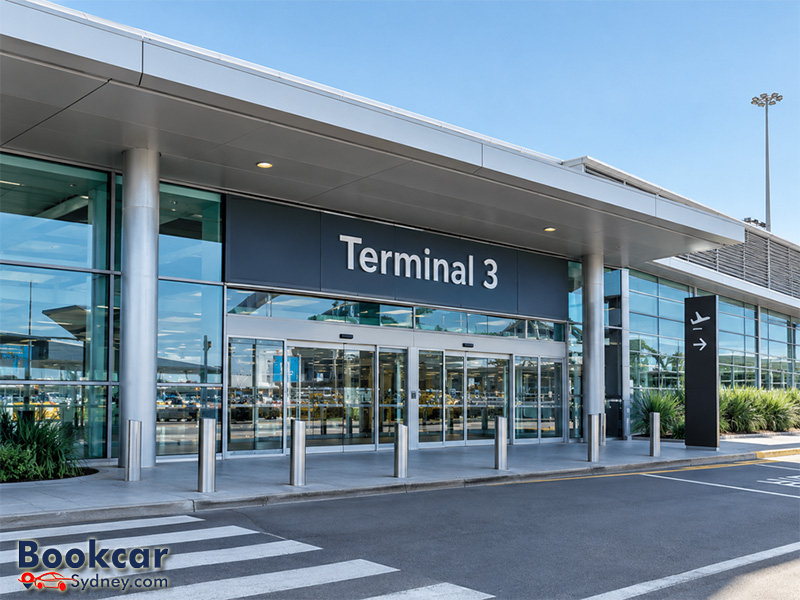
What is Sydney Airport Terminal 3?
Sydney Airport Terminal 3 is a domestic passenger terminal in the airport’s eastern domestic precinct, next to Terminal 2. It primarily handles Qantas and QantasLink flights within Australia. International flights use Terminal 1 (T1), which is in a separate part of the airport.
The three terminal names are easy to confuse, particularly when an itinerary includes more than one airline. Their main functions are:
|
Terminal |
Main passenger use |
|
T1 International |
International departures and arrivals |
|
T2 Domestic |
Virgin Australia and Jetstar domestic services; Rex and FlyPelican from November 4, 2026 |
|
T3 Domestic |
Qantas and QantasLink domestic services |
Always use the terminal shown on your current booking or flight information, especially for codeshare services and connecting flights. A Qantas flight number does not by itself confirm which airline operates the aircraft.
Which airlines and flights use T3?
Qantas operates its domestic flights at T3, and QantasLink, the group’s regional airline, also uses Sydney’s Qantas Terminal 3. These services connect Sydney with Australian cities and regional destinations. A Qantas international departure, however, uses T1, not T3.
There is a specific change for other regional airlines. Through November 3, 2026, Rex and FlyPelican departures use T3 while their arrivals use T2. Starting November 4, 2026, both airlines use T2 for departures and arrivals. Passengers should follow the terminal on their flight confirmation rather than rely on older airport guides.
Jetstar and Virgin Australia use T2 for their domestic operations. If you are travelling on a partner-operated or codeshare flight, check the operating airline before heading to the airport.
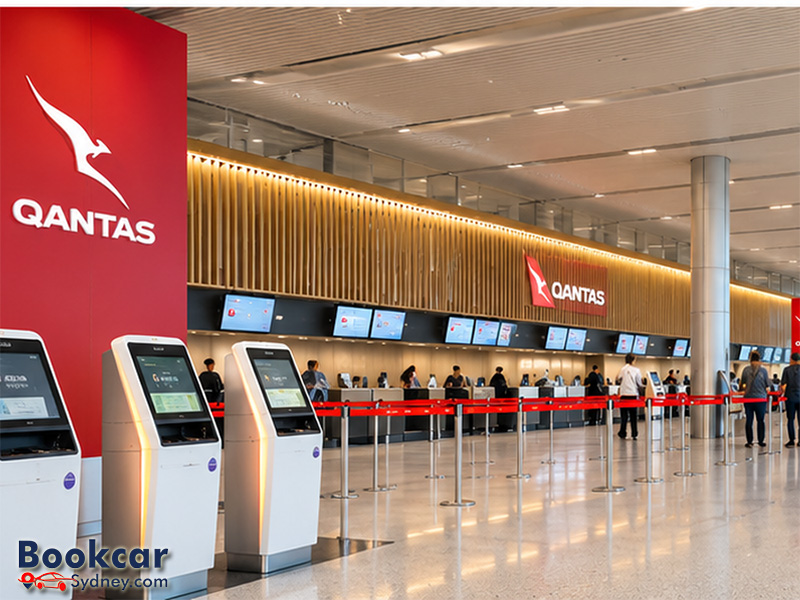
Departing from Terminal 3
Check in and drop off baggage
On arrival at T3, follow the departures signs and check your flight number on the airport information screens. Qantas passengers can usually check in online or through the Qantas app before reaching the airport. Self-service kiosks and bag-drop facilities are available for passengers who need baggage tags or have checked luggage.
If you have already checked in and are travelling with carry-on baggage only, you can generally proceed to security. Passengers needing special assistance, or those with an unresolved booking or baggage issue, should seek help from airline staff. Check the baggage allowance and any special-item arrangements for your own fare before travel.
Security screening and boarding
After check-in, proceed through the domestic security screening point and follow the signs to the gate printed on your boarding pass or shown on the departures screens. Gate assignments and boarding times may change, so use the latest airline or airport information rather than an old screenshot.
Sydney Airport advises domestic passengers to arrive at least one hour before departure when travelling with carry-on baggage only, and two hours before departure when checking in bags. These are general airport recommendations, not substitutes for an airline’s check-in and bag-drop deadlines. Allow additional time if you need assistance or have a complicated connection.
Arriving at Terminal 3
After a Qantas domestic flight lands at T3, follow the arrivals signs. If you have checked baggage, use the baggage carousel indicated for your flight. Passengers with carry-on baggage only can continue toward the public arrivals area.
Before arranging a pickup, confirm that your flight actually arrives at T3. That distinction is particularly important for Rex and FlyPelican journeys around the November 2026 terminal change.
T3 has taxi access on the arrivals side. Uber pickups are available directly outside T3 on the arrivals-level curb; other rideshare operators may use designated priority pickup areas. Follow the current signs and confirm your driver’s meeting point in the app. Pickup locations can differ by provider and vehicle type.
Facilities and passenger services at T3
Dining, shopping and lounges
T3 offers cafes, casual dining and retail choices, including options for travellers who want to eat or buy essentials before boarding. Individual businesses and their opening hours can change, so check the airport’s live directory if a particular shop or meal matters to your plans.
The terminal has a Qantas Club Lounge and a Qantas Business Lounge on the departures level, near Gates 4 and 5. Lounge access depends on factors such as ticket class, membership and frequent-flyer status. Confirm your eligibility and opening hours with Qantas before travelling.
Everyday amenities and accessibility
Passenger facilities include toilets, ATMs, a pharmacy, and parents’ rooms and baby-changing facilities on both sides of security. Free Sydney Airport Wi-Fi is available across the airport’s terminals; connect to the network named “Sydney Airport Free WiFi” and follow the on-screen steps.
Accessible facilities and passenger-assistance services are available. If you need wheelchair support or assistance boarding, contact your airline in advance and allow time to meet the airport team. Terminal maps and indoor wayfinding can help you locate gates, restrooms and other services.
T3 is generally open to the public from 4:00 a.m. until 11:00 p.m. and closes overnight. If you have an unusually early or late flight, check the current airport opening arrangements rather than planning to wait inside overnight.
Getting to and from Terminal 3
Train and public transport
The Domestic Airport railway station serves the T2/T3 domestic precinct. Airport Link trains connect the airport with central Sydney and other destinations on the rail network. An airport station access fee can apply in addition to the ordinary train fare, so check the total cost when comparing transport options.
Use the domestic-terminal signs when approaching the station or returning from it. If you are catching a train to T3, choose Domestic Airport station rather than International Airport station.
Taxi, rideshare, drop-off and parking
Taxis, rideshare services and private transfers serve the domestic precinct. Make sure your driver knows you are using T3, not T1 or T2. For arrivals, use the signed pickup arrangements for your specific transport provider; for departures, follow the current passenger drop-off signs.
Airport car parks serve both T2 and T3, with different walking distances, pricing and booking conditions. The nearest parking product is not necessarily the best choice for every trip, so compare the appropriate parking area with the duration of your stay and your baggage needs.
Transferring between T3 and other terminals
T3 to T2 domestic
T2 and T3 are adjacent within the domestic precinct, and passengers can move between them on foot by following the terminal signs. Allow time to locate the correct check-in area and pass through security where required. Do not assume that a connection between different airlines will include a baggage transfer.
T3 to T1 international
T1 is separated from the domestic terminals by airport roadways and operational areas. You cannot walk directly between T3 and T1. The airport provides a complimentary Terminal Transfer Bus connecting T1 with the domestic terminals; its published service generally runs every 15 minutes between 5:30 a.m. and 10:30 p.m., with a journey of about 10 minutes. Confirm the current timetable, particularly for early or late connections.
Qantas also operates a terminal-transfer service for eligible connecting itineraries. For a qualifying T3-to-T1 connection, Qantas directs passengers to the transfer bus at Gate 15. Eligibility and baggage arrangements depend on the flight combination and booking, so use the airline’s connection instructions rather than assuming every traveller can use the same service.
If you are arriving internationally at T1 and continuing on a domestic flight, you must first complete arrival formalities and collect checked baggage as required before proceeding to the domestic transfer process. Build enough connection time for these steps and transport between terminals.
What to check before travelling through T3
- Confirm the operating airline, terminal and flight number on your latest itinerary.
- Check in online when eligible, and review the airline’s baggage and check-in deadlines.
- Allow sufficient time for security, boarding and any accessibility assistance.
- If someone is collecting you, agree on a terminal-specific meeting point.
- For a connection involving T1, check the terminal-transfer method and baggage instructions in advance.
- Check the terminal’s opening hours and any timetable changes if travelling very early or late.
The essential distinction is simple: T3 is Sydney Airport’s Qantas domestic terminal, while T1 is international and T2 serves other domestic airlines. The right terminal, sufficient check-in time and a clear transfer plan make the journey easier to manage.
Latest Insights
- Which Airlines Fly into Sydney Airport and Where Do They Arrive?
- Where Is Sydney Domestic Airport and Which Terminals Does It Have?
- Sydney Airport Terminal 2: Domestic Flights and Facilities
- Sydney Airport Terminal 1: International Flights and Facilities
- Sydney Airport vs Western Sydney Airport: What's the Difference?
- Which Airports Are Near Sydney, Australia?
