


What 'Landed' Means on an Airport Flight Status Board
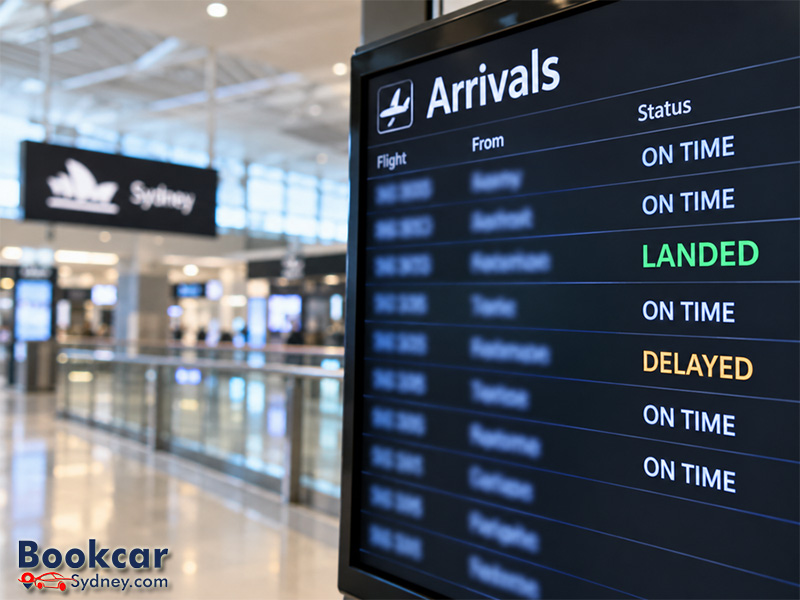
What does 'Landed' mean on a flight tracker?
'Landed' generally indicates that the aircraft has completed its landing on the runway. It is an aircraft movement update, not a passenger-location update. A flight can therefore be shown as landed while it is still moving on the ground towards a gate or remote parking stand.
The time beside this status may be the actual runway landing time. Airline schedules, however, often use gate arrival times. This is why the landing time on a tracker and the arrival time shown by an airline can differ without either being wrong.
The precise labels and update times depend on the airline, airport and tracking service. Read the accompanying time and status description rather than assuming every system uses 'landed' and 'arrived' in exactly the same way.
What still needs to happen before a passenger can be picked up?
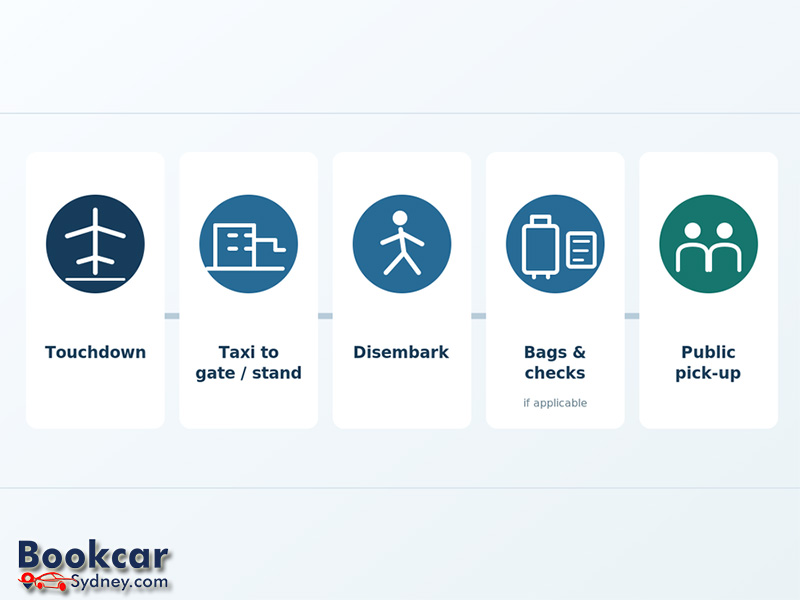
Landing is only the first milestone. The remaining journey normally involves several separate steps:
- The aircraft taxis and parks. After leaving the runway, it travels to a gate or stand. A remote stand may involve a bus journey to the terminal.
- Passengers disembark. The aircraft must be positioned safely, the doors opened and passengers allowed to leave. People seated towards the back may exit later.
- Travellers move through the terminal. Anyone with checked luggage may need to wait at baggage reclaim. Passengers with cabin baggage only may be able to continue without this step.
- International arrivals complete border procedures. Depending on the destination, this may include passport control, customs and biosecurity checks as well as baggage collection.
- The passenger reaches the agreed meeting place. Only after entering the public arrivals area or designated pick-up zone can they normally meet their driver or the person collecting them.
There is no single reliable number of minutes from 'landed' to 'ready for pick-up'. Taxiing, disembarkation, baggage delivery, border queues and walking distances vary by flight and passenger. A flight-tracking status alone cannot measure those remaining steps.
'Landed', 'Arrived' and 'ready for pick-up' are different milestones
These updates answer different questions. The last one usually needs confirmation from the passenger, not the flight tracker.
|
Status or signal |
What it tells you |
What it does not tell you |
|
Landed |
The aircraft has touched down. |
Whether it is parked or the passenger has left the plane. |
|
Arrived / at gate |
Depending on the provider, the aircraft may have reached its gate or stand. |
Whether the passenger has disembarked, collected bags or cleared border checks. |
|
At baggage reclaim |
The passenger has reached the luggage collection area, if they tell you so. |
Whether their bag has appeared or they are ready to leave. |
|
Ready for pick-up |
The passenger confirms they are at the agreed public meeting point or pick-up zone. |
Whether a vehicle can wait there indefinitely; local pick-up rules still apply. |
When should you go to the airport pick-up point?
Use the landing update as a heads-up to prepare, not as a signal to drive straight into a short-stay pick-up zone. A more dependable approach is to combine flight tracking with a message from the arriving passenger:
- Check the correct flight number, date and arrival terminal. A shared route may have several flights or a codeshare number.
- Watch for the aircraft to land, but allow for the passenger's journey through the terminal.
- Agree in advance on a specific public meeting point or designated pick-up area. Follow the airport's instructions for the type of vehicle or transfer.
- Ask the traveller to send a message when they have their bags, have completed any necessary checks and can reach the meeting point.
- Move into the permitted collection area when the passenger is actually approaching it. Check parking and waiting limits rather than assuming a free kerbside wait is allowed.
If you cannot reach the passenger immediately after touchdown, it does not by itself indicate a problem. They may still be on the aircraft, collecting luggage or completing arrival formalities. Keep checking the flight information and follow any previously agreed contact plan.
An example: picking someone up at Sydney Airport
At Sydney Airport, international passengers using T1 enter the public arrivals hall only after the relevant passport, baggage and border processes. Someone waiting to greet them cannot enter the restricted international arrival area. Domestic passengers using T2 or T3 may be through the terminal sooner, but those with checked luggage still need to collect it before leaving.
For vehicle collection, Sydney Airport designates a public pick-up area for T1 and express pick-up areas for T2/T3. These are not the same as simply stopping outside any arrivals door. Check the current terminal directions and the terms of the relevant pick-up zone before moving your vehicle into it.
In practical terms, 'Landed' answers 'Has the plane reached the airport?' The passenger's own confirmation answers the more useful collection question: 'Are you ready to meet at our agreed point?'
