


When Does Sydney Airport Close or Restrict Flights?
- Does Sydney Airport close overnight?
- Which flights may operate during curfew hours?
- What other restrictions affect flights before and after curfew?
- When can weather or safety issues temporarily restrict operations?
- When do Sydney Airport passenger terminals close?
- What happens if your flight is delayed past 11 p.m.?
- How can you check whether Sydney Airport is closed or restricted?
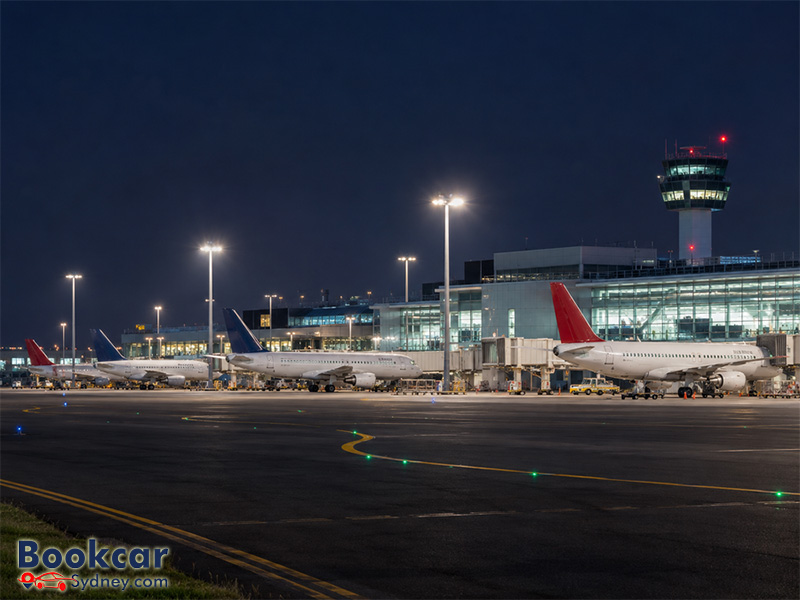
Does Sydney Airport close overnight?
Sydney Kingsford Smith Airport (SYD) has a legally enforced flight curfew from 11:00 p.m. to 6:00 a.m. every day, using Sydney local time. Most aircraft cannot take off or land during these seven hours. The restriction applies to flight movements, not to every airport facility or activity.
The curfew is set under the Sydney Airport Curfew Act 1995. It reduces overnight aircraft noise, but it is not an absolute ban on every possible movement: specified exceptions and approvals exist. Equally, an aircraft being delayed does not automatically give it permission to fly after 11:00 p.m.
Passengers should distinguish three separate situations: the scheduled nightly curfew, the public closing hours of passenger terminals, and unexpected restrictions caused by conditions such as severe weather or safety incidents.
Which flights may operate during curfew hours?
The general rule is that ordinary scheduled flights should arrive or depart outside the 11:00 p.m.–6:00 a.m. period. Limited movements can still be lawful, depending on the circumstances and the exact approval involved.
- Emergency movements, including medical, search-and-rescue, safety, and other qualifying emergencies.
- Flights granted a special dispensation for exceptional circumstances. A routine schedule delay alone does not guarantee approval.
- An aircraft that received the required air traffic control taxi clearance before 11:00 p.m. may take off after curfew begins, subject to the statutory runway conditions.
- Certain specifically approved international passenger arrivals during the 5:00–6:00 a.m. curfew shoulder period, within applicable conditions and quotas.
The November 1, 2026 change to overnight exemptions
From November 1, 2026, earlier standing curfew exemptions for certain freight aircraft, qualifying propeller-driven aircraft, and specified small jets no longer apply at Sydney Airport. This followed the official determination that Western Sydney International Airport is available for night aircraft movements. The curfew itself still runs from 11:00 p.m. to 6:00 a.m.; emergency provisions and the exceptional-circumstances dispensation process remain.
For a traveler, the key point is that neither a small aircraft nor a cargo flight should be assumed to have a routine overnight exemption under the former rules. The operator must have a legal basis for any curfew-period movement.
What other restrictions affect flights before and after curfew?
Sydney Airport also has limits on the number of aircraft movements outside curfew hours. Under its demand management framework, the usual maximum is 80 takeoffs and landings per regulated hour, with a daily limit of 1,360 movements. These limits manage capacity and community impacts; they do not mean the entire airport is closed.
After a qualifying major disruption, a formally declared recovery period may allow up to 85 movements per hour for a maximum of two consecutive hours. A recovery period cannot override the overnight curfew or the daily movement limit. It is a special operational measure, not an automatic response whenever flights run late.
Runway use is also restricted around certain night and early-morning periods to reduce noise over residential areas. This can affect the path or timing of an otherwise permitted flight, especially close to the curfew boundary.
When can weather or safety issues temporarily restrict operations?
A Sydney Airport closure or flight suspension during the day is different from the routine overnight curfew. The airport may reduce or temporarily stop particular activities when operating conditions make normal movements unsafe.
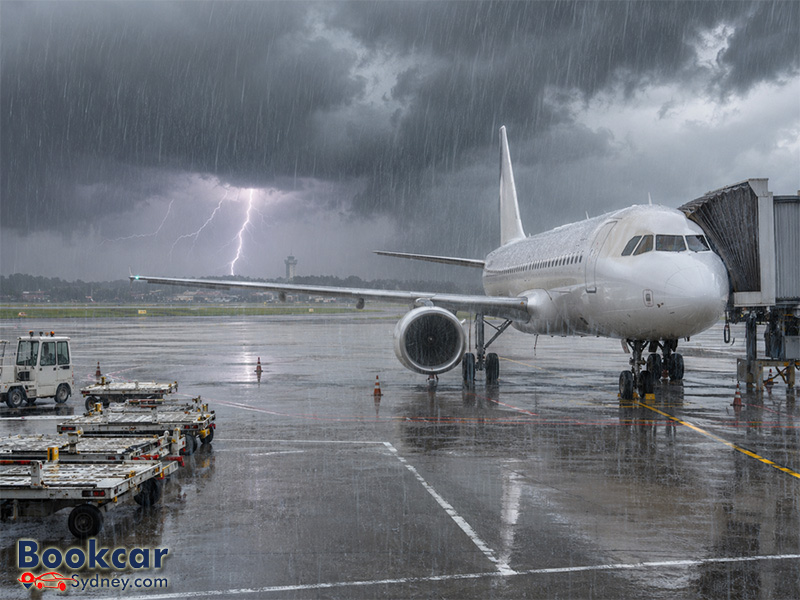
Thunderstorms, lightning, and heavy rain
Thunderstorms can interfere with approaches, departures, and ground handling. Lightning near the airport can lead to a temporary stop to outdoor ramp work, including baggage loading, refueling, and aircraft servicing. Flights may be delayed even if the runway itself is not fully closed.
Strong winds and reduced runway capacity
Strong crosswinds can require changes to the runways in use. When operations are reduced from parallel runways to a single runway, fewer flights can be handled, potentially leading to holding, delays, diversions, or cancellations. Poor visibility and other safety conditions may also affect flight schedules.
A restriction might affect one runway, an aircraft parking area, ground services, or an entire set of scheduled movements. It is therefore more accurate to check your specific flight than to rely on a general claim that “Sydney Airport is closed.”
When do Sydney Airport passenger terminals close?
The passenger terminals have their own public opening hours, separate from the legal aircraft curfew. Sydney Airport lists the overnight closing time for T1 International and both T2 and T3 Domestic as 11:00 p.m. The domestic terminals generally reopen at 4:00 a.m.; T1 reopens earlier, with the airport’s dedicated opening-hours page listing 2:30 a.m. Passengers should confirm current access arrangements directly with the airport and their airline.
The terminal closing time is not the last possible time for an authorized aircraft movement, and early terminal access does not mean ordinary flights may depart during the curfew. If an overnight delay leaves you without a place to stay, do not assume you can remain inside a public terminal until morning.
What happens if your flight is delayed past 11 p.m.?
An airline cannot simply continue a normal late departure or arrival once curfew restrictions apply. Depending on the flight, its position, safety conditions, and whether an exception is available, the airline may reschedule it for the following morning, cancel it, or divert an inbound aircraft to another airport. Some flights may qualify for an exceptional dispensation, but that decision is not automatic.
For an arriving service, a delay close to Sydney can lead to holding until a permitted arrival time or a diversion, depending on available fuel, air traffic control instructions, operational conditions, and safety requirements. The decision for any particular flight belongs to the operator and relevant authorities.
If your flight changes, ask the airline for confirmed rebooking arrangements, the new departure or arrival location, and any assistance available under its applicable terms. Only then should you change hotel reservations, airport pickup arrangements, or onward transport.
How can you check whether Sydney Airport is closed or restricted?
For an active trip, use flight-specific information rather than treating the fixed 11:00 p.m. curfew as a real-time closure announcement.
- Look up the scheduled, estimated, and current status of your flight on the Sydney Airport flight status page.
- Check the operating airline’s app, website, or direct notifications for a confirmed cancellation, diversion, or new boarding time.
- Review airport advisories for severe weather or temporary operational disruption, particularly if many flights are affected.
- If you are arranging a pickup or connection, verify the actual landing time and terminal again before leaving.
Live flight information can change quickly, and airport displays and airline notifications may not update at exactly the same moment. Use the airline to confirm your booking and any rebooking decision. For published public terminal access hours, consult the Sydney Airport opening hours page.
Latest Insights
- How to Transfer Between Sydney Airport Terminals
- Where to Meet Arriving Passengers at Sydney Airport
- How to use SmartGate at Sydney Airport
- Which Arrival Declaration Forms Are Required at Sydney Airport?
- How Does Baggage Claim Work at Sydney Airport?
- How to Check Sydney Airport Flight Delays and Cancellations
